

|
New to our site?
Save 20% on your first order!
Email Address:
First Name:
X
Holidays > Tu B'Shvat Cards
Tu B'Shvat Cards
A celebration of nature's revival, Tu B'Shvat (or Tu Bishvat) is a Jewish holiday also known as the New Year for Trees, and sometimes nicknamed Jewish Arbor Day. Send friends and family your warmest wishes with a fruitful Tu B'Shvat card from our collection of 90+ unique designs.
Card Categories
 Loading...

Orientation
Portrait
Landscape
Custom Photos (Front)
None
1
2
3
4
5+
Custom Text (Front)
Yes
No


“All cards I have ordered have been beyond expectations!”
Sandra - Oct 2nd, 2026
“The people I send these cards to always look forward to the next one. They are great.”
Lorraine - Oct 5th, 2026



Tu B’Shvat Pomegranate Star of David card
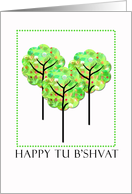
Happy tu b’shvat card
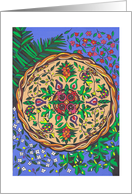
Tu B’Shvat Basket Mandala, Fruits, Flowers card
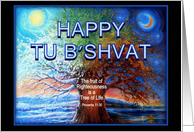
Tu B’Shvat Tree of Life Four Seasons Tree for Jewi…

Happy Tu B’shvat with Tree, Swirls, Apples card

Happy Tu B’Svat assorted Fruit card
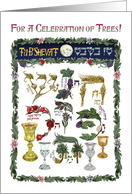
Happy Tu B’Shevat! card

Happy Tu B’Shvat with Retro Vintage Pomegranate Fr…

Happy Tu B’Shvat With Two Jewish Children Holding …
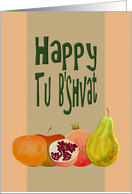
Happy Tu B’Shvat Fruits card
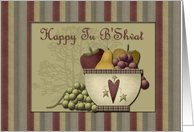
Tu B’Shvat card
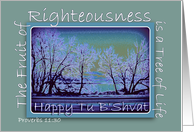
Happy Tu B’Shvat Jewish Arbor Day with Scripture a…
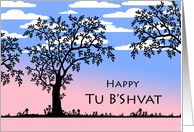
Tu B’Shvat, Tree Silhouettes and Clouds card

Happy Tu B’Shvat Twelve Hidden Stars in Trees for …

Tu B’Shvat Shalom Star of David on Blue card
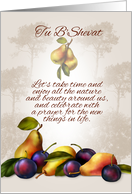
Tu B’shevat Greeting Card With Fruit And Trees car…

Happy Tu B’Shvat Illustration of a Cut Pomegranate…
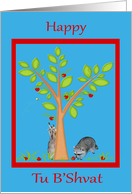
Tu B’Shvat with Raccoons Under an Apple Tree in a …
Happy Tu B’Shvat Tu bishvat Jewish holiday Jewish …
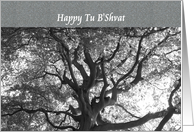
Tu B’Shvat View From Beneath A Tall And Majestic T…

Happy Tu B’Shevat! card


Happy Tu B’Shvat custom card Jewish Holiday photo …

Tu B’Shvat Bananas On The Tree card

Happy Tu B’Shvat custom card Jewish Holiday photo …

Celebrate Tu B’svhat card
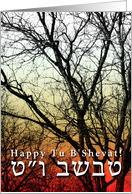
Happy Tu B’Shevat! card
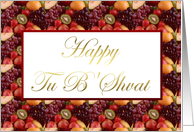
Happy Tu B’Shvat Tu bishvat Jewish holiday Jewish …
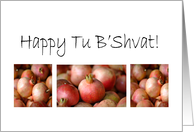
Tu B’Svhat Pomegranate Photograph Card

Happy Tu B’Shvat custom card Jewish Holiday photo …

Happy Tu B’Shvat custom card Jewish Holiday photo …

- Custom Card Request
- Delivery Time
- Digital Cards
- How GCU Works
- Return Policy
- Shopper FAQ
- Upcoming Holidays
CARD SHOPPERS
- Artist Blog
- Artist FAQ
- Artist Forum
- Become a Card Artist
- Become a Card Seller
- Become an Affiliate
ARTISTS & SELLERS
- About Us
- Blog
- Contact Us
- Testimonials
OUR COMPANY
FOLLOW GCU





© Copyright 2000- Greeting Card Universe - Powered By Bigdates-Solutions.com